


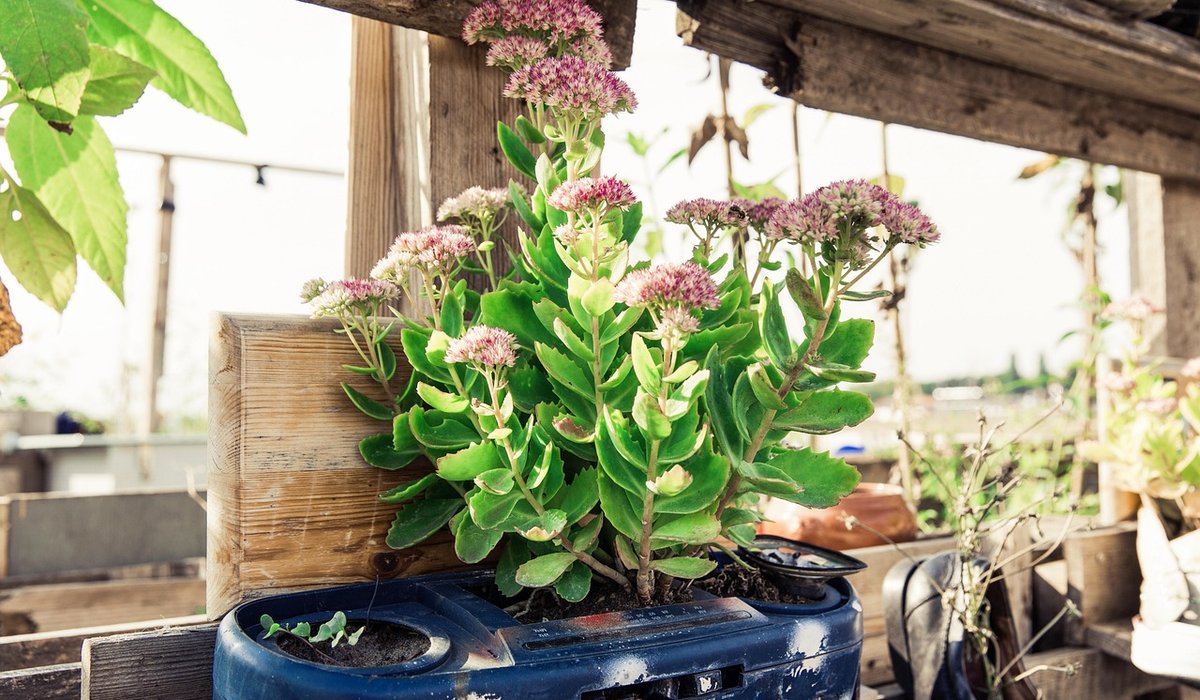
There is something quietly satisfying about stepping onto a windy balcony on a grey Tuesday, snipping a few leaves of basil, and stirring them into a pan of tomatoes. You do not need an allotment, a greenhouse or even a proper garden to cook with something you have grown yourself. A sunny windowsill, a sheltered balcony or a modest patio will do, provided you choose the right herbs and treat them well.
The four that earn their keep most reliably in pots are basil, mint, thyme and chives. Between them they cover Italian cooking, new potatoes, salads, soups and just about anything involving butter. Here is how to grow them so they actually thrive.
Get the Pot, Compost and Watering Right First
Most herb failures in pots come down to three things: too small a container, poor drainage, and watering by habit rather than by need.
- Size matters. A 15cm pot is the practical minimum for a single basil or chive plant. Mint and thyme prefer something a little roomier, around 20–23cm. Terracotta is lovely and dries out faster; glazed or plastic pots hold moisture longer.
- Drainage is non-negotiable. Always use pots with holes in the base, and add a shallow layer of broken crocks or gravel. Herbs sitting in soggy compost rot within a fortnight.
- Compost choice. A good peat-free multi-purpose compost suits basil and mint. Thyme and chives do better with plenty of horticultural grit or sharp sand mixed through — roughly one part grit to three parts compost.
- Water at the roots. Aim for the compost, not the leaves. Check the top 2cm with your finger before reaching for the watering can. Damp, not drenched, is the goal.
Turn pots a quarter-turn every few days so stems grow straight rather than leaning towards the light. On a south- or west-facing windowsill, most herbs will manage four to six hours of decent sun, which is plenty.
Basil: The Thirsty Sun-Worshipper
Basil is the herb people most often kill, usually by watering it like a houseplant and leaving it in shade. It wants heat, light and steady moisture.
Sow seeds in late spring, or buy a supermarket pot and split it — gently tease the seedlings apart and repot into individual 15cm pots. Crowded seedlings sulk and bolt. Pinch out the growing tip above the second pair of leaves as soon as the plant has three or four sets; this forces side shoots and gives you a bush rather than a single sad stem.
Harvest from the top down, always taking a pair of leaves with the stem above a leaf joint. Never strip a stem bare from the bottom. Feed every fortnight with a diluted liquid tomato feed once the plant is established, and pick off any flower buds immediately — once basil flowers, the leaves turn bitter and the plant gives up.
Mint: Keep It Contained
Mint is the easiest herb on this list and the most likely to take over. It spreads by underground runners, so give it its own pot and never plant it in a shared container or a border unless you actively want a mint lawn.
Spearmint is the best all-rounder for cooking; Moroccan mint suits tea. Plant a supermarket bunch with roots attached, or a small nursery plant, into a 20cm pot of multi-purpose compost, water generously and stand it in light shade during the hottest part of the day — mint scorches in full baking sun on a south-facing sill.
Cut stems regularly to keep it leafy. Even if you do not need mint that week, pinch out the tips and drop the leaves into a jug of water. Divide the plant every spring, discarding the woody middle and repotting the vigorous outer shoots. If you let it flower, the leaves toughen, so nip the buds off.
Thyme: Small, Tough and Rewarding
Thyme is a Mediterranean plant, and it hates the two things British gardeners do most: rich compost and kindness with the watering can. Treat it meanly and it will reward you for years.
Use a gritty, free-draining mix in a terracotta pot and water only when the compost has dried out almost completely. A sheltered, sunny spot against a warm wall is ideal; thyme is hardy enough to stay outside through winter, but it resents having wet roots in cold weather, so raise the pot on feet or pot feet to keep it clear of standing water.
Common thyme and lemon thyme are the most useful in the kitchen. Harvest sprigs with scissors, taking no more than a third of the plant at once, and trim lightly after flowering to keep it bushy. Replace plants every three or four years, when they go woody and leggy — take softwood cuttings in early summer to keep a supply going.
Chives: Cut and Come Again
Chives are the most forgiving of the four and the quickest to earn their place on a windowsill. They grow happily in a 15–20cm pot of ordinary multi-purpose compost in sun or partial shade, and they will regrow after almost any amount of cutting.
Sow seed in spring, or split an established clump in autumn. Snip leaves about 2.5cm above compost level, a few at a time from the outside of the clump, and they will shoot again within a couple of weeks. Keep the compost lightly moist and feed once a month through summer.
The purple flowers are edible and excellent scattered over salads or soft cheese, but leaving them on weakens the plant, so remove most of them. In winter, chives die back naturally; move the pot somewhere sheltered, ease off watering and they will return in spring.
Keeping the Windowsill Cropping
Feed little and often rather than in occasional heavy doses, and start a fortnightly liquid feed once plants are actively growing. Watch for greenfly on basil and chives — a firm jet of water usually sorts them out. Group pots together to create a slightly humid microclimate, but leave space between them so air can move.
Finally, resist the urge to sow everything at once. Start a new pot of basil every three to four weeks from late spring to midsummer and you will have a continuous supply right through to the first frosts. A handful of fresh herbs, grown a few feet from the kitchen door, does more for everyday cooking than almost anything else you can do in a small space.


Leave a reply