


Why Autumn Is the Best Time to Plant Spring Bulbs
Tucking bulbs into the soil on a crisp October afternoon is one of gardening's quiet pleasures. Spring bulbs need a long, cool period in the ground to develop roots before the worst of winter arrives. Plant them too late and they will flower weakly, if at all. In most parts of the UK, daffodils and crocuses are happiest going in from September to early November, while tulips can wait until November or even early December. This later planting helps tulips avoid soil-borne problems such as tulip fire, and it suits their natural rhythm in colder climates.
The reward is a border that wakes up before you do. Crocuses will push through frost, daffodils will follow with their bright trumpets, and tulips will carry the display into late spring. By preparing the ground properly now, you give each bulb the best chance to store energy, flower well and come back stronger next year.
Choose a Sunny Spot and Open Up the Soil
Most spring bulbs flower best in full sun, though they will tolerate light shade, especially once the leaves are up and the soil is warming. In a border, aim for a position that gets at least six hours of direct light during the growing season. Good drainage matters just as much as sunshine. Waterlogged soil rots bulbs before they can grow.
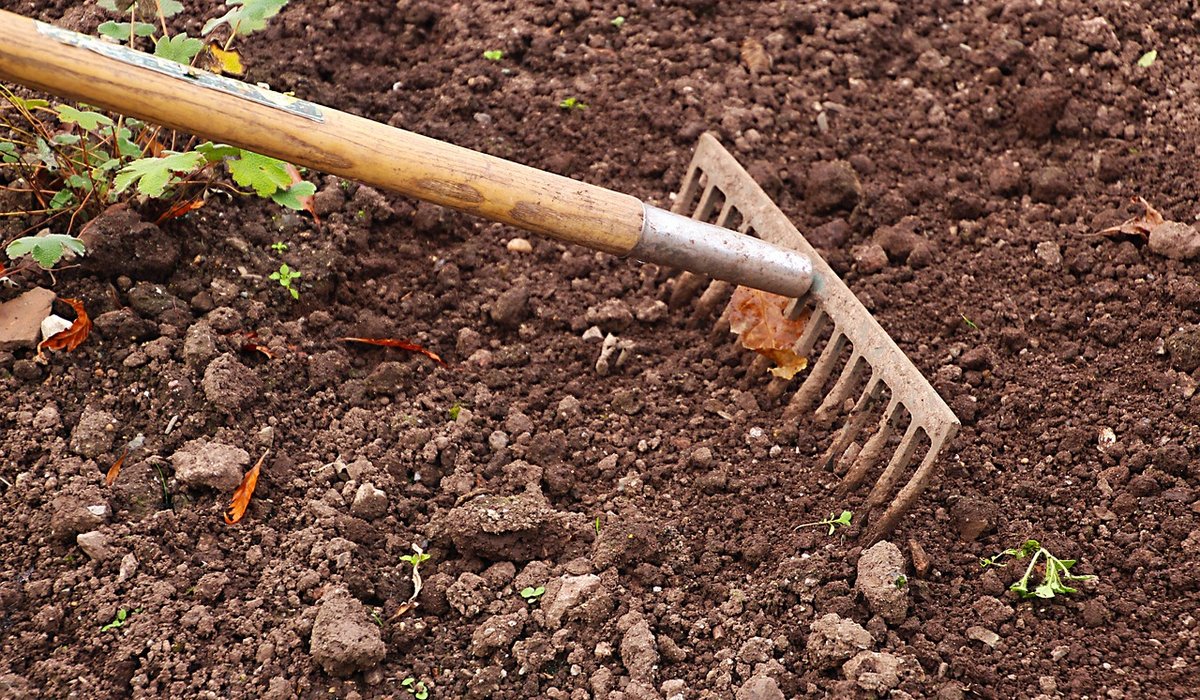
Clear weeds, stones and old debris. Fork over the top 20–25 cm (8–10 in) of soil, breaking up any compacted patches. If your soil is heavy clay, mix in well-rotted garden compost and a generous handful of horticultural grit per square metre. Sandy soils benefit from compost too, as it helps hold moisture and nutrients around the roots. A balanced bulb fertiliser or a little bone meal worked into the lower soil is plenty.
The Golden Rule: Plant at the Right Depth
Depth is the single most common reason bulbs fail. Plant each bulb at roughly two to three times its own height. That means a 5 cm crocus corm goes about 8–10 cm deep, a daffodil bulb about 10–15 cm deep, and a tulip about 15–20 cm deep. In light sandy soil, you can go a little deeper; in heavy clay, plant slightly shallower and rely on grit in the planting hole to keep water moving.
- Crocuses: 8–10 cm deep and 5–8 cm apart, in generous drifts.
- Daffodils: 10–15 cm deep and 10–15 cm apart, with the pointed nose facing upwards.
- Tulips: 15–20 cm deep and 10–15 cm apart, planted late in the season.
Set bulbs the right way up. Pointed tip up; roots emerge from the flat base. If you are unsure, plant them on their side—most will still right themselves. Firm the soil gently after planting and water well to settle everything in.
Plant in Natural Drifts, Not Straight Lines
Spring bulbs look their best when they appear to have wandered into the border by themselves. Avoid planting in neat rows unless you are creating a formal display. Instead, toss a handful of bulbs onto the soil and plant them where they land. Groups of five, seven or nine look more natural than pairs, and repeating them creates rhythm.
Use a bulb planter, a trowel or a dibber, depending on your soil. In loose soil, a long-handled bulb planter lets you work standing up. In stony ground, a trowel is easier. Make the hole wide enough for the bulb to sit comfortably. If you are planting among perennials, mark the spots with small labels or canes so you do not accidentally dig them up later.
Layer Bulbs for a Longer-Lasting Display
One of the cleverest tricks for a small border is to plant in layers, sometimes called a bulb lasagne. Dig out a planting area to around 20–25 cm deep. Place tulips at the bottom, cover with soil, add daffodils, cover again, then crocuses near the surface. Each layer will flower at a slightly different time, giving you weeks of colour from the same patch of ground.
Keep layers spaced so bulbs do not touch, with the deepest at their recommended depth. In pots, use fresh, peat-free bulb compost and add a layer of grit at the bottom for drainage. Water sparingly through winter, keeping the compost just moist rather than sodden.
Protect, Feed and Let the Foliage Die Back
Squirrels, mice and even pheasants will happily dig up freshly planted bulbs. After planting, firm the soil and cover the area with a layer of mulch, gravel or prickly holly leaves. For persistent squirrels, lay chicken wire just below the surface and peg it down; shoots will grow through. Water the area during dry autumn spells, but do not let it become waterlogged.
When spring arrives, feed the emerging bulbs with a high-potash fertiliser once the flowers begin to fade. This feeds the bulb for next year rather than the current display. Deadhead the flowers as they wilt, but leave the foliage in place for at least six weeks. The leaves are the bulb's solar panels, gathering energy for the following spring. Only cut them back once they have turned yellow and collapsed naturally. With patience now, your borders will reward you with colour just when the garden needs it most.


Leave a reply